
| Picture | First Name |
Last Name |
Job Title | Office | Phone | |
|---|---|---|---|---|---|---|
 |
Ioan | Andricioaei | Professor | 4212 Natural Sciences I | 949-824-3569 | andricio@uci.edu |
 |
Ramesh | Arasasingham | Professor of Teaching | 2129 Natural Sciences II | 949-824-5632 | rdarasas@uci.edu |
 |
Shane | Ardo | Professor | 2131 Natural Sciences II | 949-824-3796 | ardo@uci.edu |
 |
Maxx | Arguilla | Associate Professor | 4124 Natural Sciences I | marguill@uci.edu | |
 |
Elizabeth | Bess | Assistant Professor | 3038A Frederick Reines Hall | elizabeth.bess@uci.edu | |
 |
Don | Blake | Distinguished Professor | 570 Rowland Hall | 949-824-4195 | drblake@uci.edu |
 |
Suzanne | Blum | Professor | 2046A Frederick Reines Hall | 949-824-8178 | blums@uci.edu |
 |
Andy | Borovik | Distinguished Professor | 4076 Interdisciplinary Science and Engineering | 949-824-1510 | aborovik@uci.edu |
 |
Kieron | Burke | Distinguished Professor | 2137 Natural Sciences II | kieron@uci.edu | |
 |
Ann Marie | Carlton | Professor | 380B Rowland Hall | 949-824-5651 | agcarlto@uci.edu |
 |
Seth | Cohen | Distinguished Professor, Dean of the School of Physical Sciences | 164 Rowland Hall | ||
 |
Zhihao | Cui | Assistant Professor | 2145 Natural Sciences II | zhcui@uci.edu | |
 |
Vy | Dong | Chancellor's Professor | 4206 Natural Sciences I | 949-395-0186 | dongv@uci.edu |
 |
Kim | Edwards | Professor of Teaching | 580B Rowland Hall | 949-824-8124 | kdmullen@uci.edu |
 |
Sarah | Finkeldei | Associate Professor | 332 Rowland Hall | (949) 824-5872 | sfinkeld@uci.edu |
 |
Barbara | Finlayson-Pitts | Distinguished Professor and Codirector of AirUCI | 328 Rowland Hall | 949-824-7670 | bjfinlay@uci.edu |
 |
Filipp | Furche | Professor | 2135 Natural Sciences II | 949-824-5051 | filipp.furche@uci.edu |
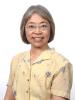 |
Nien-hui | Ge | Professor | 2143 Natural Sciences II | 949-824-1263 | nhge@uci.edu |
 |
Mike | Green | Professor | 570A Steinhaus Hall | m.green@uci.edu | |
 |
Matthew | Griffin | Assistant Professor | 2131 Natural Sciences II | 949-824-7640 | griffin@uci.edu |
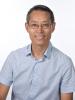 |
Zhibin | Guan | Professor | 5042D Frederick Reines Hall,1123 Frederick Reines Hall | 949-824-5172 / 949-824-9173 | zguan@uci.edu |
 |
Rex | Handford | Assistant Professor | 4088 Interdisciplinary Science & Engineering Building | rex.handford@uci.edu | |
 |
Alan | Heyduk | Chair and Professor | 4116 Natural Sciences I | 949-824-8806 | aheyduk@uci.edu |
 |
Amanda | Holton | Professor of Teaching | 580C Rowland Hall | abrindle@uci.edu | |
 |
Elizabeth | Jarvo | Professor | 4114 Natural Sciences I | erjarvo@uci.edu | |
 |
Susan | King | Professor of Teaching | 2133 Natural Sciences II | 949-824-5452 | s3king@uci.edu |
 |
Matthew | Law | Professor | 2127 Natural Sciences II | 949-824-5996 | matt.law@uci.edu |
 |
Renee | Link | Professor of Teaching | 574 Rowland Hall | 949-824-6409 | rlink@uci.edu |
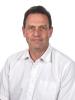 |
Vladimir | Mandelshtam | Professor | 2103 Natural Sciences II | 949-824-5509 | mandelsh@uci.edu |
 |
Stephen | Mang | Associate Professor of Teaching, Department Vice Chair | 579 Rowland Hall | 949-824-0126 | smang@uci.edu |
 |
Craig | Martens | Professor | 2105 Natural Sciences II | 949-824-8768 | craig.martens@uci.edu |
 |
Rachel | Martin | Professor | 4136 Natural Sciences I | rachel.martin@uci.edu | |
 |
Shaul | Mukamel | Distinguished Professor | 434A Rowland Hall | 949-824-7600 | smukamel@uci.edu |
 |
Craig | Murray | Associate Professor | 317B Rowland Hall | 949-824-4218 | craig.murray@uci.edu |
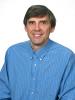 |
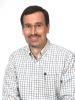
Sergey | Nizkorodov | Co-Director AirUCI, Professor | 377 Rowland Hall | 949-824-1262 | nizkorod@uci.edu |
 |
James | Nowick | Distinguished Professor | 4126 Natural Sciences I | 949-824-6091 | jsnowick@uci.edu |
 |
Joe | Patterson | Associate Professor | 577 Rowland Hall | 949-529-6854 | patters3@uci.edu |
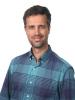 |
Eric | Potma | Professor | 2139 Natural Sciences II | 949-824-9942 | epotma@uci.edu |
 |
Jennifer | Prescher | Professor | 4142 Natural Sciences I | 949-824-1706 | jpresche@uci.edu |
 |
Sergey | Pronin | Associate Professor | 5042A Frederick Reines Hall | 949-824-4193 | spronin@uci.edu |
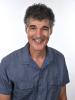 |
Athan | Shaka | Professor of Teaching | 231A Rowland Hall | 949-824-8509 | ajshaka@uci.edu |
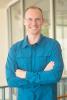 |
Matt | Sheldon | Associate Professor | 2123 Natural Sciences II | m.sheldon@uci.edu | |
 |
Manabu | Shiraiwa | Professor | 373 Rowland Hall | 949-824-2738 | m.shiraiwa@uci.edu |
 |
Seunghyun | Sim | Associate Professor | 4084 Interdisciplinary Science and Engineering | s.sim@uci.edu | |
 |
James | Smith | Professor | 317C Rowland Hall | 949-824-9518 | jimsmith@uci.edu |
 |
David | Van Vranken | Associate Dean, Professor | 2046D Frederick Reines Hall, 134 Rowland Hall | 949-824-5455 | david.vv@uci.edu |
 |
Christopher | Vanderwal | Professor | 4042B Reines Hall | cdv@uci.edu | |
 |
Gregory | Weiss | Professor | 4122 Natural Science One | 949-824-5566 | gweiss@uci.edu |
 |
Jenny | Yang | Chancellor's Fellow | 4080 ISEB | j.yang@uci.edu |
| Picture | First Name |
Last Name |
Job Title | Office | Phone | |
|---|---|---|---|---|---|---|
 |
Vartkess | Apkarian | Distinguished Professor Emeritus | 2125 Natural Sciences II | 949-824-6851 | aapkaria@uci.edu |
 |
David | Brant | Professor Emeritus | 434-972-2460 / 703-401-1495 | dbrant@uci.edu | |
 |
Richard | Chamberlin | Professor and Chair of Pharmaceutical Sciences, Professor Emeritus of Chemistry | 147 Biological Sciences Administration / 4206 Natural Sciences I | 949-824-7089 | richard.chamberlin@uci.edu |
 |
Rob | Corn | Distinguished Professor Emeritus | 2139 Natural Sciences II | 949-824-1746 | rcorn@uci.edu |
 |
Bill | Evans | Distinguished Professor Emeritus | 2046B Frederick Reines Hall | 949-824-5174 | wevans@uci.edu |
 |
Everly | Fleischer | Professor Emeritus | 4042C Frederick Reines Hall | 949-824-3820 | efleisch@uci.edu |
 |
Fillmore | Freeman | Professor Emeritus | 1113 Natural Sciences II | 949-824-6501 | ffreeman@uci.edu |
 |
R. | Gerber | Distinguished Professor Emeritus | 334A Rowland Hall | 949-824-6758 | bgerber@uci.edu |
 |
John | Hemminger | Distinguished Professor Emeritus | 334B Rowland Hall | 949-824-6020 | jchemmin@uci.edu |
 |
Ken | Janda | Professor Emeritus | kcjanda@uci.edu | ||
| George | Miller | Professor of Teaching Emeritus | 326 Rowland Hall | 949-824-6649 / 949-824-6082 | gemiller@uci.edu | |
 |
Larry | Overman | Distinguished Professor Emeritus | 4042A Fredrick Reines Hall | leoverma@uci.edu | |
 |
Reginald | Penner | Associate Dean, Distinguished Professor | 2137 Natural Sciences II, 1139 Natural Sciences II | rmpenner@uci.edu | |
 |
Scott | Rychnovsky | Distinguished Professor | 3038B Frederick Reines Hall | srychnov@uci.edu | |
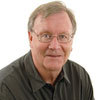 |
Kenneth | Shea | Distinguished Professor Emeritus | 5042B Frederick Reines Hall | 949-824-5844 | kjshea@uci.edu |
 |
Douglas | Tobias | Distinguished Professor | 4118 Natural Science One | dtobias@uci.edu |
| Picture | First Name |
Last Name |
Job Title | Office | Phone | |
|---|---|---|---|---|---|---|
 |
Herdeline | Ardoña | Assistant Professor | 816C Engineering Tower | (949) 824-2800 | hardona@uci.edu |
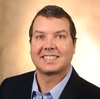 |
John | Chaput | Professor | 101 Theory | 949-824-8149 | jchaput@uci.edu |
 |
Stacy | Copp | Assistant Professor | 5072 Interdisciplinary Science & Engineering Building | copps@uci.edu | |
 |
Celia | Faiola | Assistant Professor | 463 Steinhaus Hall | (949) 824-2061 | cfaiola@uci.edu |
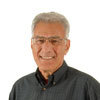 |
Stephen | Hanessian | Director, Medicinal Chemistry and Pharmacology Gateway Program | 2216 Natural Sciences I | 949-824-5449 | shanessi@uci.edu |
 |
Ryan | Hayes | Assistant Professor | 416E Engineering Tower | rhayes1@uci.edu | |
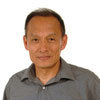 |
Wilson | Ho | Donald Bren Professor | 310B Rowland Hall | 949-824-5234 | wilsonho@uci.edu |
 |
Allon | Hochbaum | Associate Professor | 4056 Interdisciplinary Science & Engineering Building | 949-824-1194 | hochbaum@uci.edu |
 |
Cholsoon | Jang | Assistant Professor | 150 Sprague Hall | 949-824-6052 | choljang@uci.edu |
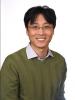 |
Chang | Liu | Associate Professor, Biomedical Engineering | 4064 Interdisciplinary Science and Engineering | 949-824-8534 | ccl@uci.edu |
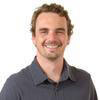 |
Andrej | Luptak | Professor | 2141, 2331 Natural Sciences II | 949-824-9132 | aluptak@uci.edu |
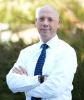 |
Glenn | Micalizio | Professor of Pharmaceutical Sciences | 2101, 2509 Falling Leaves Medical Innovation | (949) 824-7291 | gmicaliz@uci.edu |
 |
David | Mobley | Professor | 3110, 3134B Natural Sciences I | 949-824-6383 | dmobley@uci.edu |
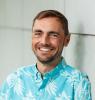 |
Brian | Paegel | Professor | 101 Theory (Suite 100) | 949-824-9368 | bpaegel@uci.edu |
 |
Krzysztof | Palczewski | Donald Bren Professor, Distinguished Professor | Gillespie Neuroscience Research Facility 829 Health Sciences Rd. Room# 2105 | 949-824-6527 | kpalczew@uci.edu |
 |
Abraham | Qavi | Assistant Professor | Medical Sciences Building D, D452 | 949-824-4169 | aqavi@uci.edu |
 |
Markus | Ribbe | Professor | 2236, 2448 McGaugh Hall | 949-824-9509 | mribbe@uci.edu |
 |
Eric | Saltzman | Distinguished Professor | 3329 Croul Hall | 949-824-3936 | Eric.Saltzman@uci.edu |
 |
Xiaoyu | Shi | Assistant Professor | (949) 824-7638 | xiaoyu.shi@uci.edu | |
 |
Zuzanna | Siwy | Professor | 210G Rowland Hall | 949-824-8290 | zsiwy@uci.edu |
 |
Vojislav | Stamenkovic | Professor of Chemical and Biomolecular Engineering | 4048 Interdisciplinary Science & Engineering Building | (949) 824-3426 | vrstamen@uci.edu |
 |
Darci | Trader | Associate Professor | 949-824-7995 | dtrader@uci.edu | |
 |
Shiou-Chuan | Tsai | Professor | 2218, 2302 Natural Sciences 1 | (949) 824-4486, 8829 | sctsai@uci.edu |
 |
Jin | Yu | Assistant Professor of Physics & Astronomy | 220B Rowland Hall | (949) 824-2995 | jin.yu@uci.edu |
| Picture | First Name |
Last Name |
Job Title | Office | Phone | |
|---|---|---|---|---|---|---|
 |
Dmitry | Fishman | Director, Laser Spectroscopy Labs; Associate Adjunct Professor | 324 Rowland Hall | 949-824-8016 | dmitryf@uci.edu |