Rowland Fellows
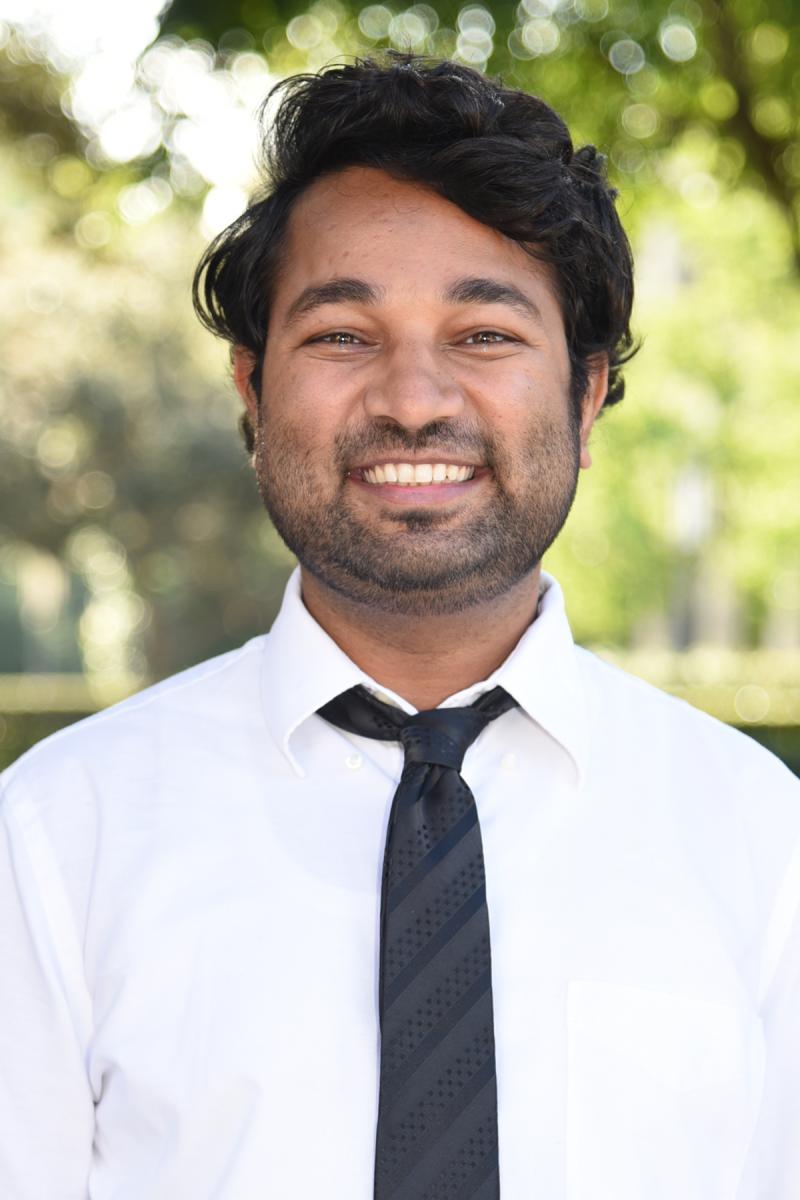
Pushp Raj Prasad 2026-2027
Raj's research in the Patterson lab focuses on understanding the surface and bulk defect chemistry of doped semiconductor metal-oxide photocatalyst nanoparticles, such as Al- and Rh-doped SrTiO₃, which are central to sustainable H₂ production via photocatalytic water splitting. Using atomically resolved STEM-EELS, he has mapped dopant distributions and Ti³⁺ defect populations with angstrom-scale resolution, revealing that the near-unity quantum yield of Al-doped SrTiO₃ likely arises from dopant-modified defect chemistry rather than the previously proposed Al-rich surface shell or complete Ti³⁺ elimination. The Rowland Graduate Research Fellowship will enable Raj to extend his electron microscopy platform into magnetic resonance regimes through collaborations with Prof. Rex Handford, using cryogenic and pulse electron paramagnetic resonance (EPR) to identify and spatially assign electronic defects, and with Prof. Rachel Martin, using multinuclear solid-state NMR (¹H, ¹⁷O, ²⁷Al, ⁴⁷/⁴⁹Ti) to determine dopant site occupancy and local coordination geometry. By correlating these results with STEM-EELS, XPS, and ISS data, this work will establish a structure–defect–property framework that connects surface and bulk defect chemistry to photocatalytic function, guiding the rational design of defect-engineered oxides for sustainable energy applications.
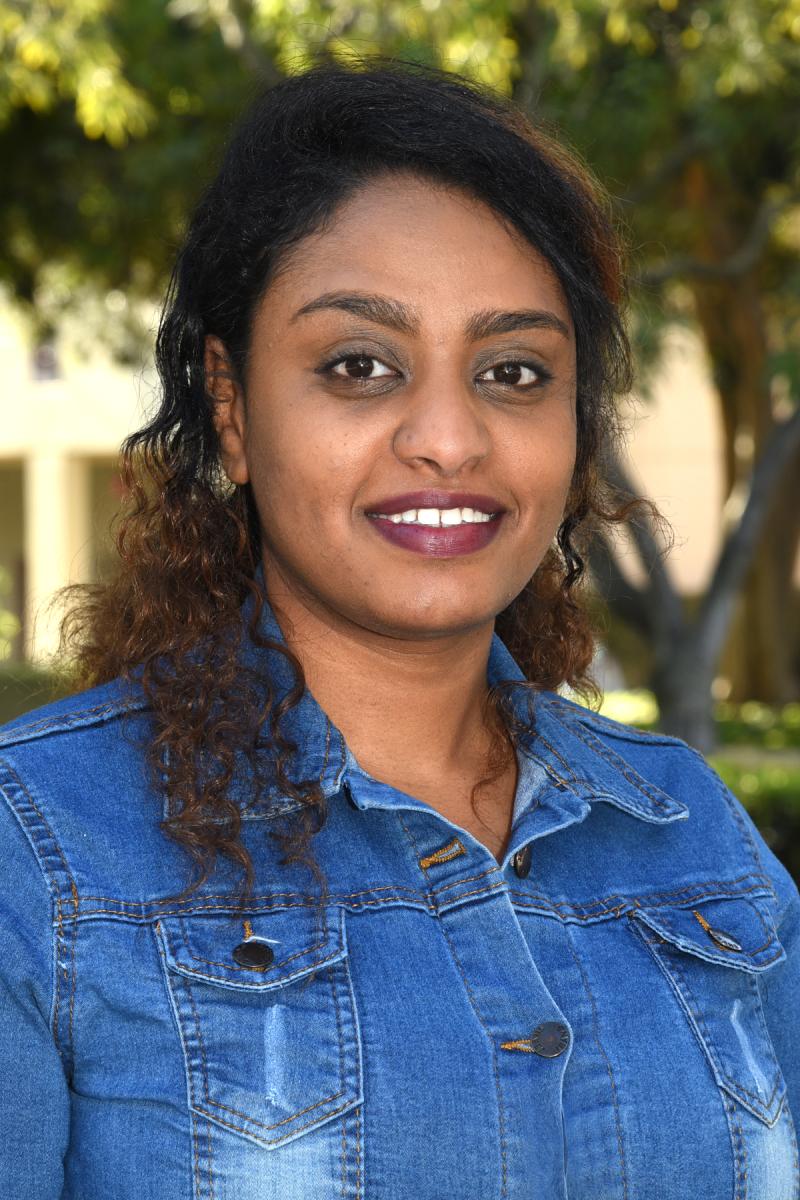
Sijia (Lucia) Liu 2025-2026
Lucia’s research in the Nizkorodov and Faiola labs focuses on secondary organic aerosol (SOA) formation from diverse sources. The Rowland Graduate Research Fellowship will support advanced SEM and STXM characterization of her airborne samples collected by the DOE ARM ArcticShark aircraft at the southeastern U.S. site, in collaboration with Dr. Swarup China at Pacific Northwest National Laboratory (PNNL). It will also foster continued collaboration with Dr. Alla Zelenyuk and Dr. Manish Shrivastava (PNNL) to integrate field and laboratory findings into modeling, advancing the understanding of SOA's regional and global impacts.

Nehal Idris 2024-2025
Nehal's research in the Patterson lab focuses on understanding the encapsulation properties of small molecules within nonionic block copolymer coacervates and probing their internal structures using advanced analytical techniques. She pioneered the use of SAXS combined with Cryo-EM to reveal the internal structure of these coacervates. Her next objective is to develop an efficient polymeric system capable of undergoing coacervation in seawater and encapsulating oil spills. To address the challenges posed by the crowded environments within polymers and oil molecules, she proposes a collaboration with Professor Sarah Finkeldei to employ Neutron Activation Analysis (NAA) to directly quantify the isotopic components of oils and determine the encapsulation efficiency in coacervates and self-assembled particles.
Katherine S. Hopstock 2023-2024
Katherine’s research in the Nizkorodov lab focuses on the chemical composition of exhaled smoke from participants in a human trial vaping study. This project aims to understand primary emissions from vaping devices and the health risks associated with secondhand vaping. The Rowland Graduate Fellowship will allow Katherine to collaborate with Prof. Donald Blake (Department of Chemistry) and Prof. Rufus Edwards (Program in Public Health) to evaluate the role that lung surfactant plays in the absorption of vape aerosol and its impact on the composition of exhaled vape aerosol.
Funding from the Rowland Graduate Fellowship resulted in the following paper: Chemical Analysis of Exhaled Vape Emissions: Unraveling the Complexities of Humectant Fragmentation in a Human Trial Study.
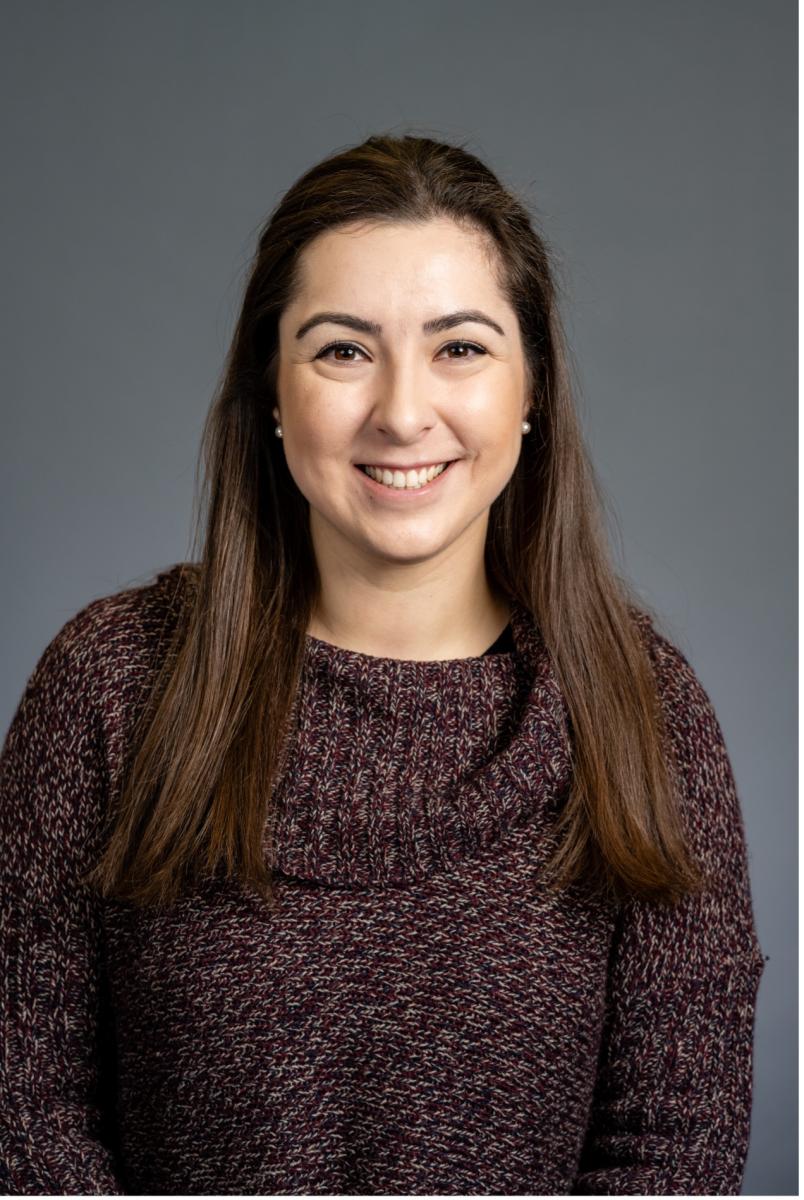
Paul Hurst 2022-2023
Paul's research in the Patterson lab focuses on the polymerization-induced self-assembly of biocompatible nanoparticles. Here, amphiphilic block copolymers are synchronously synthesized and self-assembled in high concentration. He will collaborate with the Nowick lab to incorporate known pharmaceuticals, including antibiotics, as polymerization catalysts to prepare drug-nanoparticle formulations and study the efficacy of these formulations in vitro.
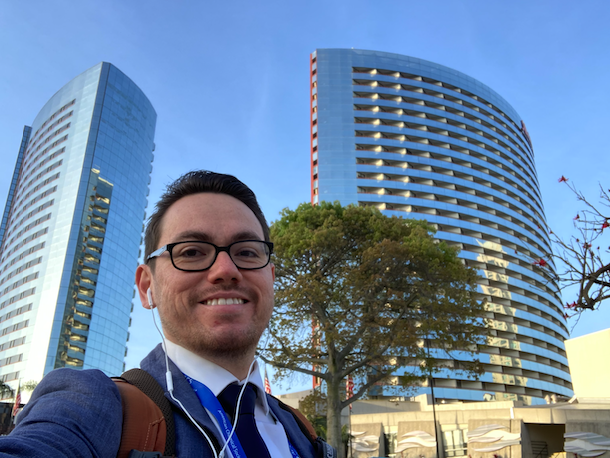
Aoon Rizvi 2021-2022
Aoon's research will be a collaboration with the Patterson & Sim Labs to encapsulate living cells within polymer coacervates to build living composite materials with unique hierarchical structures. The project aims to understand the fundamental interactions between cells and coacervates that promote encapsulation and also develop a new method of synthesizing living polymer composites.

Natalie Smith 2020-2021
Natalie has been investigating how chemical processes in atmospheric organic aerosol particles depend on their phase state using different types of synthetic organic aerosol particles and the photochemical smog chamber in the Nizkorodov Group. The Rowland Graduate Fellowship will allow Natalie to use real emissions by working with the group of Prof. Celia Faiola at UCI to generate aerosol samples from plants. Natalie will then work in the group of Prof. Allan Bertram at the University of British Columbia to perform diffusion measurements on these samples using a method called fluorescence recovery after photobleaching (FRAP).
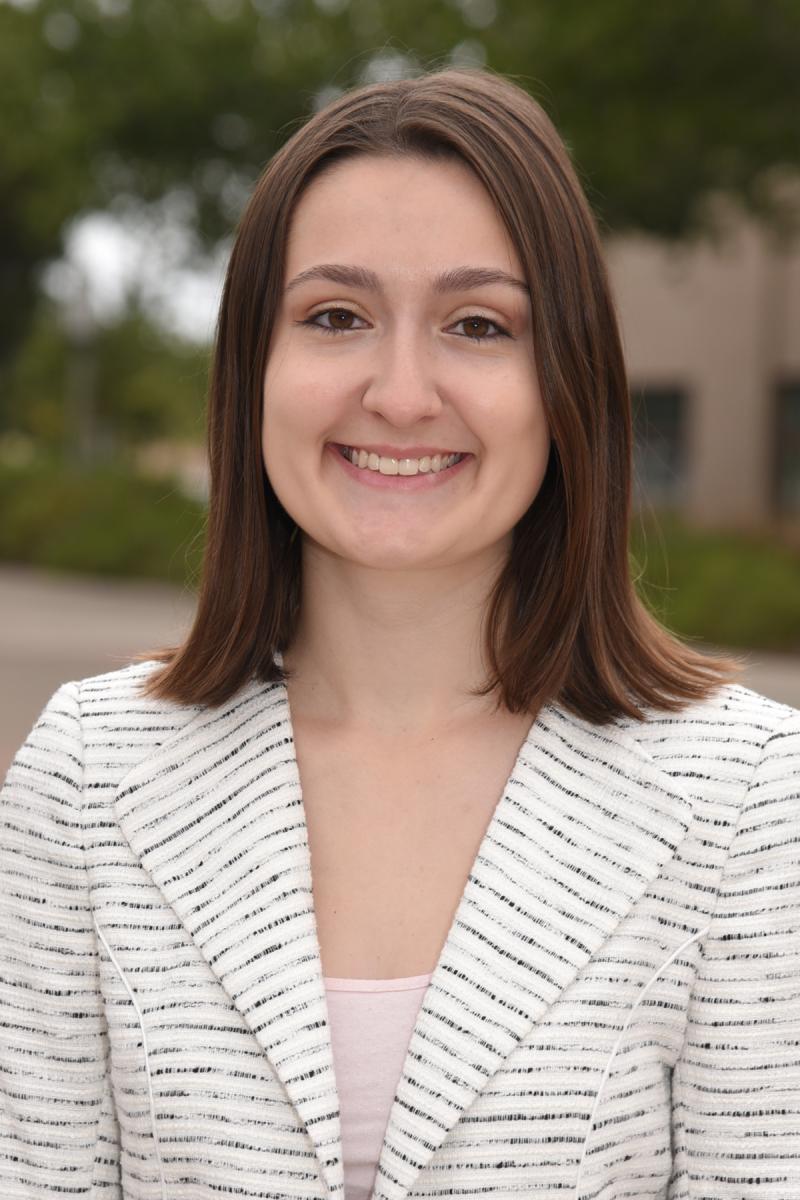
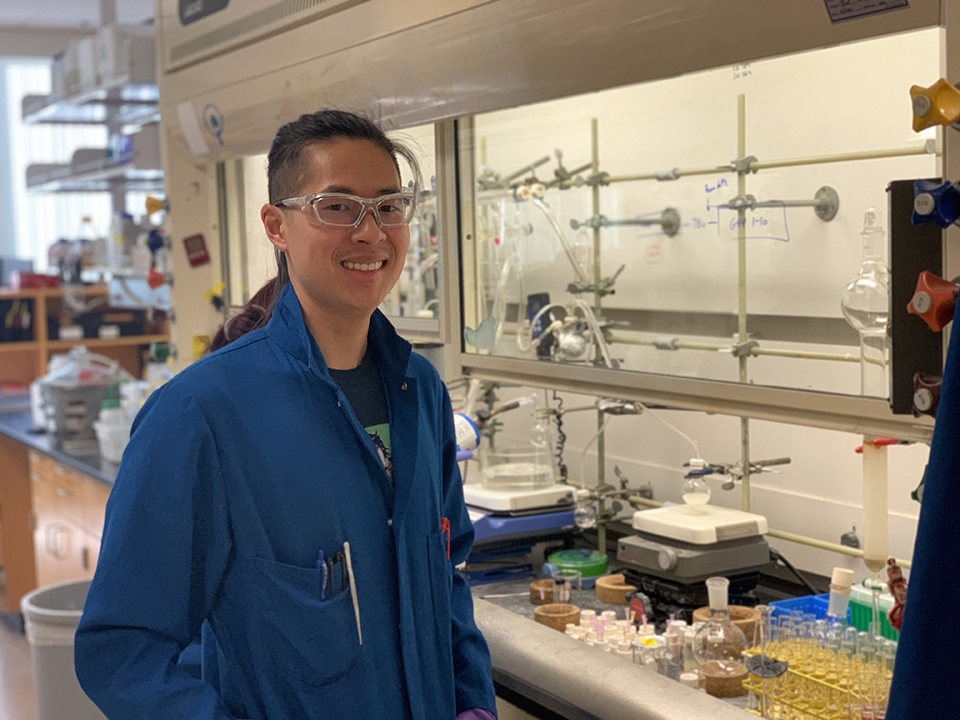
Sean Nguyen 2019-2020
In the Prescher lab, Sean Nguyen focuses on developing new chemical tools to probe biological processes. In collaboration with the Spitale lab, his current project aims to incorporate chemically triggered crosslinkers into nascent RNA in whole cells to capture RNA-protein interactions.